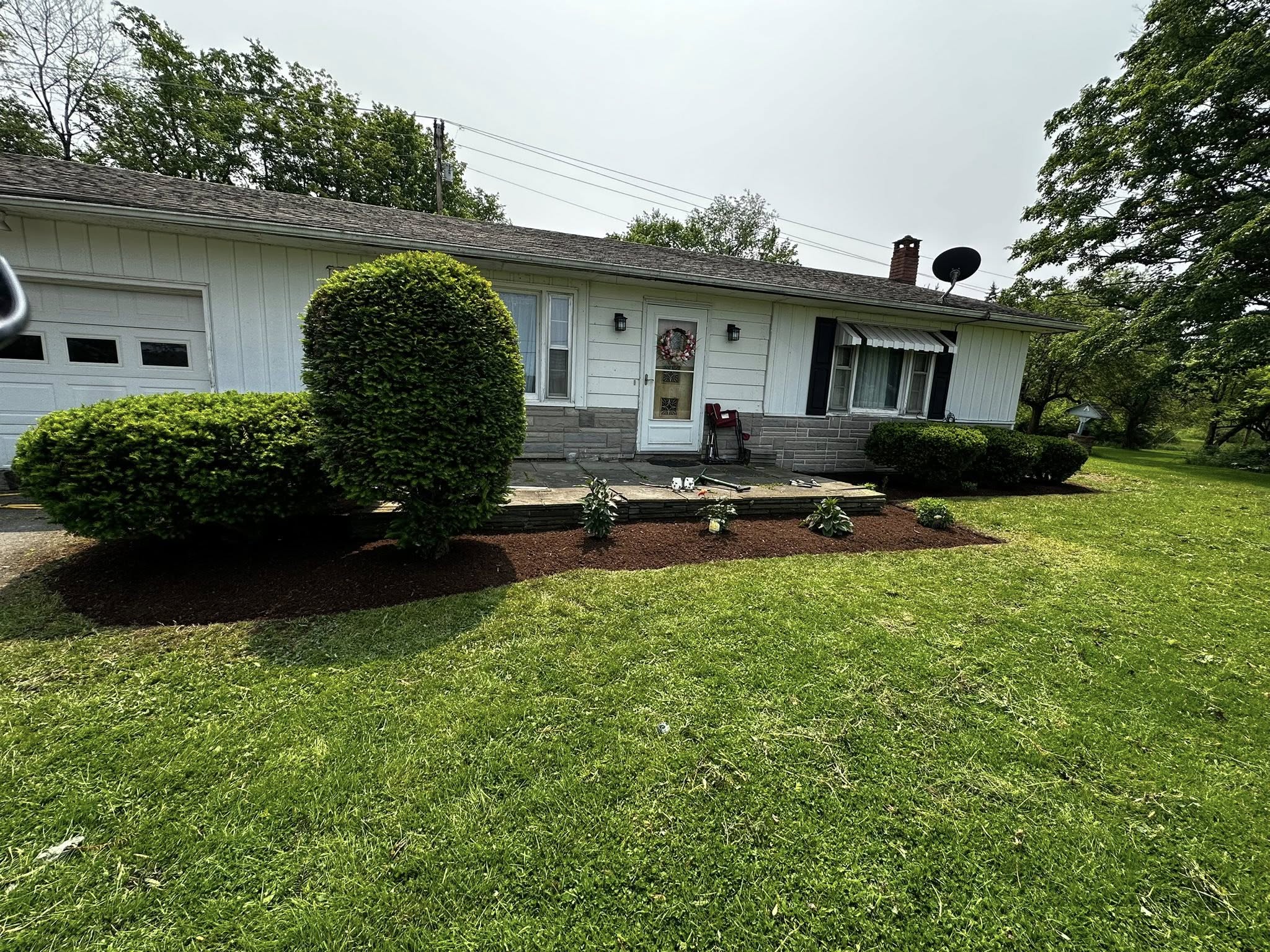
Seasonal Landscaping: How to Keep Your Yard Vibrant Year-Round Dec 12, 2025
First, let's start by understanding the importance of seasonal clean-ups. In spring, this means removing leaves and debris that have accumulated over the winter months. Clearing your yard prepares it for new growth, fostering an environment where plants and flowers can thrive. Spring is also a great time to plant new grass, refresh mulch, and start fertilizing.
As summer approaches, it’s crucial to adapt your lawn care routine to protect your landscape from heat stress. Regular watering becomes more critical, especially during dry spells. Installing an efficient irrigation system, if you haven’t already, can help keep your lawn hydrated without wasting water. Additionally, adjust your mowing techniques; raising the blades on your mower can protect the grass from scorching sun.
When fall arrives, it’s time to focus on leaf removal and ground aeration. Leaves left on the lawn can smother your grass and promote disease. Aerating your garden before winter allows air, water, and nutrients to reach the roots more effectively, preparing the lawn to weather the cold months ahead. Fall is also the perfect time to adjust your fertilization routines, applying a blend that promotes root growth and strengthens plants for the winter.
Winter might seem like a dormant period for your yard, but there’s still work to be done. Protect your plants from frost by covering delicate species and investing in plants that are hardy and suitable for your climate zone. Regularly clear any heavy snow from branches to prevent breakage. An often-overlooked aspect of winter landscaping is planning. Use this time to evaluate your landscape’s strengths and weaknesses and plan for any upcoming changes in the spring.
Additionally, integrating hardscape elements such as stone pathways or retaining walls can enhance your landscape's beauty and functionality all year long. These features require less maintenance and provide structure during dormant periods when plant life is not as vibrant.
Choosing the right plants for each season can also make a significant difference. Perennials such as hostas and daylilies ensure continuous color throughout the growing months, while evergreens provide year-round greenery. Incorporate native plants; they’re naturally acclimated to the local climate, requiring less maintenance and enhancing ecological balance.
Finally, staying informed about your plants and their needs is essential. Monthly garden journals can help track your activities and note changes in your yard. Consult with professionals at Lopez Landscaping and Hardscapes for seasonal advice specific to your landscape, ensuring your efforts yield the best results.
In conclusion, maintaining a vibrant yard year-round is more than just maintaining the status quo. It requires understanding the unique demands of each season and acting proactively. With the right approach, you can ensure your outdoor space remains beautiful and inviting every day of the year. For specific advice tailored to your landscape’s needs, Lopez Landscaping and Hardscapes is here to help you create and sustain the yard of your dreams.
/filters:no_upscale()/filters:format(webp)/media/d6274104-30f3-4ced-869e-7d62eb0ce87d.jpeg)